
Evidence sourced
Integrated industrial masterplan
Phased development, facilities, utilities and capacity architecture across the eight platforms.
Chapters 07 · 14 · 18 · Annexure M
One institution · Multiple centres of excellence · One strategic purpose

A connected institution spanning manufacturing, engineering, digital intelligence, research, workforce and technology commercialisation.
Core design rule
Every page answers four questions: where am I, what is this, why does it matter, and what can I do next.
Strategic metrics
Programme-scale figures drawn from the AMS strategy set. Commercial projections are management-case assumptions marked illustrative.
Programme horizon
2026–36
Ten-year institutional case
Strategic platforms
08
Integrated ecosystem
Strategy chapters
26
Numbered chapter library
Annexures
L–U
Ten controlled documents
Product families
07
Enterprise product families
Activation window
24
Months · ERGI · illustrative
01 — Institutional proposition
AMS exists to close the gap between industrial intent and industrial output. The institution integrates land, capital, infrastructure, technology, supply chains, workforce and digital systems into a single operating architecture — so that strategy becomes capability, and capability becomes delivered capacity.
The public website is the experience layer. Beneath it sit the process engine, controlled data layer, workflow and evidence model that make the institution executable rather than declarative.
02 — Enterprise value chain
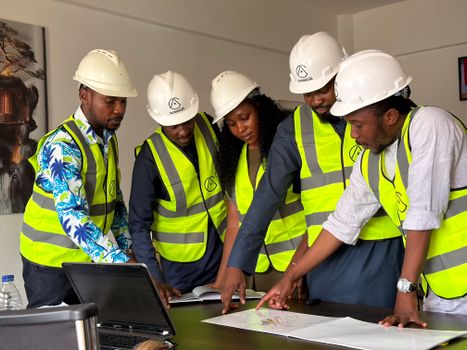
The institution does not operate as disconnected departments. Each stage produces the controlled record the next stage depends on — strategy, intelligence, accounts, opportunities, products, suppliers, pricing, proposals, fulfilment and lifecycle.
Versioned business plans, objectives, targets and KPI trees.
Country, sector, competitor, channel and white-space intelligence.
Golden account records, segmentation, stakeholder and DMU maps.
ODS qualification, diagnosis, value hypothesis and gates.
Product master, taxonomy, standards, origin and evidence status.
Supplier universe, due diligence, appointment and linkage.
Cost and price layers, channel bands, margin and approvals.
Scope, solution, price, risk, assumptions and evidence.
Order, procurement, logistics, installation and handover.
Assets, warranty, service status, AMC and lifecycle state.
AMC, FMC, service, upgrade and replacement intelligence.
The eight AMS strategic platforms
03 — Eight platforms
Eight platforms, each with an owning capability stack, evidence base and lifecycle path. Together they form one integrated industrial ecosystem rather than eight isolated businesses.
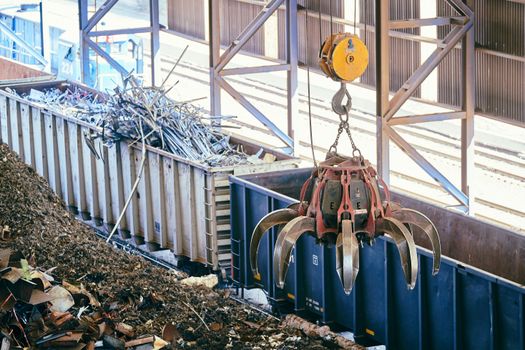
Materials, circularity, sustainability and resource systems.
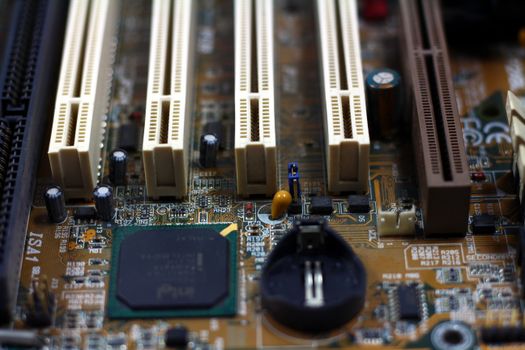
Advanced interconnection and electronics manufacturing.

Packaging, substrates and heterogeneous integration.

EMS, intelligent systems and integration.
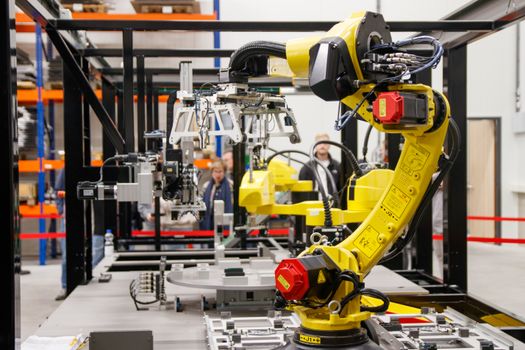
Equipment, robotics and smart factories.

High-reliability, secure, mission-critical engineering.

AI, advanced computing, sensing and emerging systems.
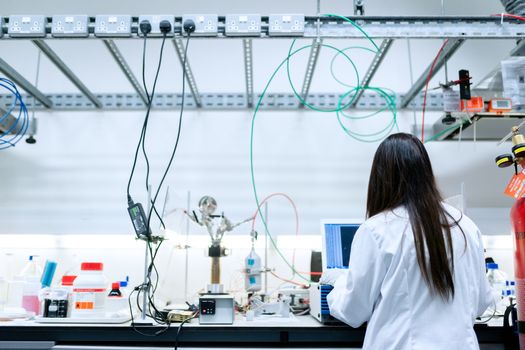
Research, standards, workforce and technology collaboration.
04 — The 26-chapter strategy
Filter by theme, open a chapter, return to the grid and jump directly to the annexures it depends on. Every chapter is numbered, titled and evidence-linked.
Institutional Land Allocation Philosophy
02Manufacturing Location Strategy
03Odisha Industrial Strategy
04Jajpur–Kalinga Nagar Strategic Evaluation
05Comparative Evaluation of Odisha Locations
06Land Allocation Strategy & Government Engagement
07Integrated Industrial Masterplan
08Odisha Industrial Strategy — Sectoral Development
09Dhamra–Chandbali Region Evaluation
10Other Shortlisted Odisha Locations
11Integrated Odisha Manufacturing Strategy
12Financial, Economic & Strategic Value Framework
13Regulatory & Statutory Framework
14Infrastructure & Utilities
15Environmental & Social Framework
16Risk Assessment & Mitigation
17Eight-Platform Architecture
18Manufacturing Platform Facilities & Operations
19Supply Chain & Vendor Ecosystem
20Talent, Workforce & AMS Academy
21Technology, R&D & Innovation
22Implementation Roadmap
23Governance & Institutional Structure
24Commercial Strategy & Partnerships
25National & Global Expansion
26Conclusion — Key Outcomes & Next Steps
05 — Annexures L–U
Ten controlled annexures carry the commercial activation case, capital allocation, financial projection framework, unit economics and the AI-empowered growth scenario. Every document exposes owner, version, effective date and evidence status.
Early Revenue Generation Initiative (ERGI)
Commercial activation · first 24 months
AMS Odisha Manufacturing Development Programme
Integrated commercial deployment
Executive Commercial Deployment & Capital Allocation
Capital allocation · deployment
ERGI Marketing, Sales, Revenue & Reporting
Commercial engine · reporting
ERGI — Machine Sales & Technical Services
Machine sales · field services
ERGI — Prescription Engineering & Consultancy
Engineering · advisory commercial engine
Commercial Financial Projection Framework
24 / 60 / 120 / 180-month economics
Number Intelligence, Investment Returns & Unit Economics
Financial & commercial analytics
Conventional vs AI-Empowered Growth Case
Scenario architecture
AI-Empowered Growth Case
AI / digital factory economics
06 — Commercial activation
The Early Revenue Generation Initiative (ERGI) makes the first 24 months commercially productive while the manufacturing base is built. Trading and supply-chain capability, machine sales, technical services, prescription engineering and consultancy create qualification evidence, customer relationships and cash — then hand those relationships to the manufacturing platforms.

Business lines
04
Roadmap
24 months
Evidence
Sourced
07 — AI & digital factory
The website is the interface. Beneath it, a digital operating system converts every approved objective into a measurable account, opportunity, action, decision, delivery, installed base and lifecycle record. Automation carries the deterministic work; accountable people keep the decisions.
Intelligence
Industrial AI, AI-assisted engineering, digital twins, knowledge graph, proposal factory, supplier, risk, cybersecurity and lifecycle intelligence.
AI capability pagesAssurance
SOC-as-a-Service with SIEM as the correlation layer: asset visibility, event ingestion, detection, response and compliance assurance.
Security architectureControl
AI recommendations are decision support. Accountability, approval, legal interpretation, sensitive negotiation and high-risk action remain assigned to authorised people.
Portal architectureOrchestration
100% digitally orchestrated — not 100% human-free
Evidence model
Source, confidence and verification status are first-class data
Audit
Immutable trail on every approval and exception
Source control
Unsupported facts remain TO VERIFY until evidenced
08 — Evidence
Every capability claim links to a platform, a chapter and an evidence record. Where source does not yet support a statement, it is marked TO VERIFY rather than stated as fact.
Phased development, facilities, utilities and capacity architecture across the eight platforms.
Chapters 07 · 14 · 18 · Annexure M

Port access, multi-modal corridors and vendor ecosystem localisation with global linkages.
Chapters 09 · 14 · 19

Skills architecture, certification paths and capability demand for platform operations.
Chapters 20 · 22
09 — Institutional & industrial core
AMS integrates manufacturing, technology, engineering, industrialisation and institutional capability into a single controlled core. Each domain owns its capability stack, its evidence and its lifecycle responsibilities.
Domain 01
HDI PCB · Advanced Interconnection · IC Substrates · Semiconductor Packaging · EMS · Intelligent Products · Manufacturing Equipment · Precision Engineering · Automation · Robotics
Domain 02
AI · Digital Engineering · Industrial Software · Cybersecurity · Digital Trust · Enterprise Architecture · Data Engineering · Digital Twin · MES · PLM · ERP
Domain 03
Product Engineering · Process Engineering · Manufacturing Engineering · Application Engineering · Systems Engineering · Reliability Engineering · Quality Engineering · Equipment Engineering · Automation Engineering
Domain 04
Industrial Development · Plant Development · Master Planning · Civil · Structural · MEP · Power · Water · Waste · HVAC · Cleanrooms · Controlled Environments · Commissioning · Qualification · Production Readiness · Capacity Expansion
Domain 05
Research · Knowledge · IP · Standards · Quality · Reliability · Supply Chain · Talent · Academy · Governance · Risk · EHS · ESG
Commercial interface
AMS creates and controls institutional capability; Yantra Semitech converts capability into market access, customer relationships and revenue.
Digital architecture
Public web — Lindo. Collaboration — Google Workspace. Privileged identity — Microsoft Entra ID. Global infrastructure — Microsoft Azure. Analytics — Google Analytics, Google Tag Manager, Microsoft Clarity. Automation — API, webhooks, workflow, CRM, learning and customer integration.
Academy model
LEARN → PROVE → CERTIFY → DEPLOY → EARN → RELEARN, delivered across digital, instructor-led, blended, project-based, work-based, POC, mobile, factory, field, partner and customer channels.
Governance & access
T0–T1 global institutional control. T2 strategic functional control. T3–T7 operational execution subject to role-based permissions, enforced server-side.
10 — Engage
Commercial journeys do not run through a generic contact form. Each route classifies the submission, creates an internal record, assigns an owner and sets a service level from the first gate.
Journey 01
Plant, capacity, supply or service requirement
Journey 02
Technical scope, specification or programme
Journey 03
Governments, institutions, principals, channels
Journey 04
Supply, representation, qualification evidence
Journey 05
Institutional and capital participation
Journey 06
Skills programmes and professional development
Journey 07
Delivery, field service and lifecycle support
First response
SLA set at intake · owner assigned · audit retained